
How to Deploy Supply Chain Workflow Agents That Maintain Visibility Across Suppliers, Warehouses, and Carriers Simultaneously
How to deploy supply chain workflow agents that maintain real-time visibility across suppliers, warehouses, and carriers.
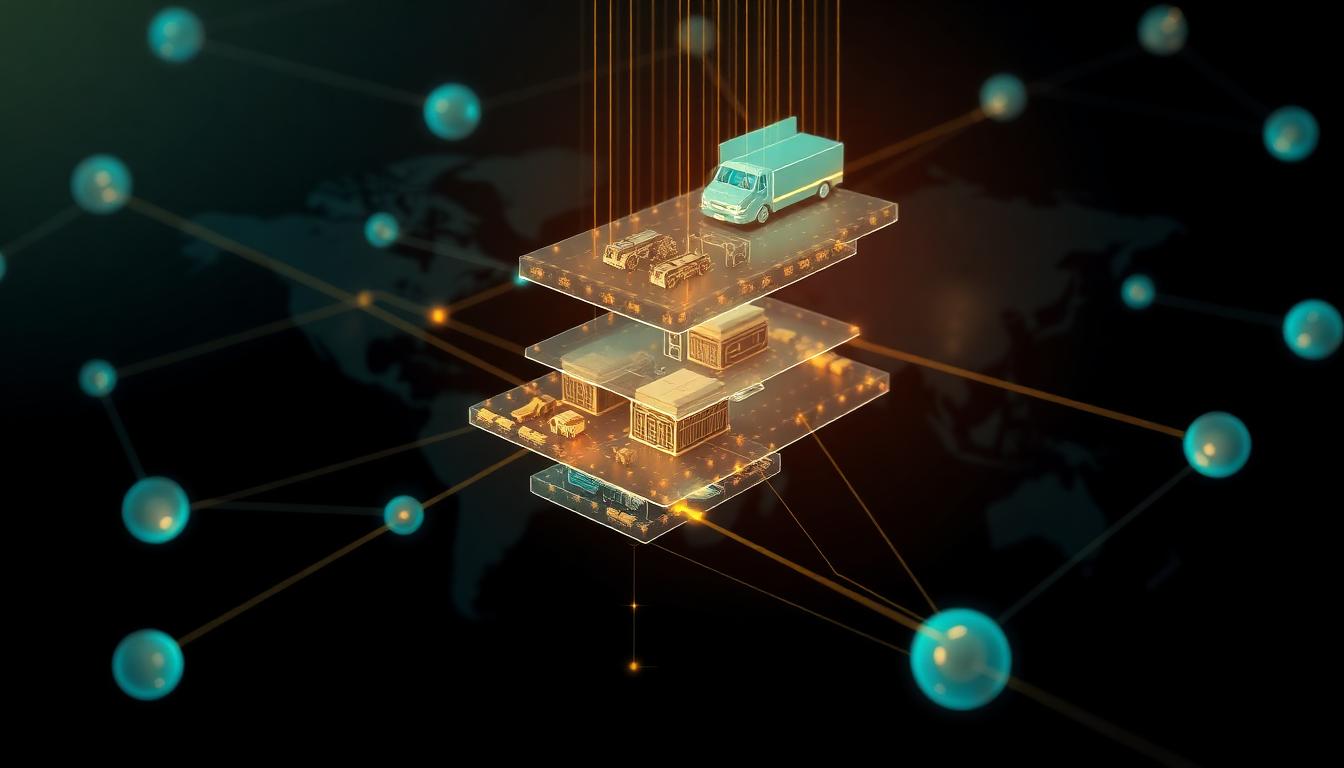
The modern supply chain is a complex tapestry of global interactions, where goods move from raw material extraction through manufacturing, warehousing, and transportation, finally reaching the end consumer. Maintaining true, real-time visibility across all these distinct stages—especially when involving numerous external partners—is a persistent and monumental challenge. Traditional supply chain visibility solutions, often reliant on static data feeds, manual updates, or limited API integrations, frequently fall short of providing the dynamic, multi-tier transparency demanded by today's volatile markets, leaving businesses vulnerable to disruptions and inefficiencies.
This article will delve into a methodological framework for deploying advanced AI workflow automation for supply chain management, specifically focusing on intelligent agents designed to seamlessly integrate and maintain comprehensive visibility across suppliers, warehouses, and carriers simultaneously.
Why Traditional Supply Chain Visibility Tools Fail at Multi-Tier Transparency
Traditional supply chain visibility tools, while offering some level of insight, often falter when confronted with the intricate demands of multi-tier transparency. These systems typically operate on a hub-and-spoke model, where a central platform attempts to ingest data from various sources. The primary limitation arises from their reliance on pre-defined integrations, which are often costly to develop and maintain, particularly when dealing with a constantly evolving ecosystem of suppliers, logistics providers, and internal systems. Many legacy systems also lack the inherent flexibility to adapt to unexpected data formats or incomplete information, creating significant blind spots in the overall chain.
Furthermore, traditional approaches struggle with the sheer heterogeneity of data sources. A small-to-medium enterprise supplier might use a basic spreadsheet for inventory management, while a large logistics carrier employs sophisticated Electronic Data Interchange (EDI) systems. Bridging these vastly different data structures with rigid, pre-programmed integrations is a monumental task that often proves unsustainable. The result is a fractured view of the supply chain, where critical information about material availability, order status, or shipment location is often delayed, inaccurate, or entirely missing, leading to reactive instead of proactive decision-making.
These inherent rigidities prevent organizations from achieving the comprehensive, end-to-end visibility necessary to truly optimize their operations and respond effectively to market shifts.
Another significant drawback of conventional visibility tools is their passive nature; they primarily act as data aggregators rather than intelligent actors. They collect data and present it, but they often lack the embedded intelligence to analyze patterns, predict potential issues, or autonomously trigger corrective actions. This requires human intervention for interpretation and response, introducing delays and increasing operational overhead. The absence of adaptive learning capabilities means these systems often struggle to improve their performance over time or to automatically adjust to new supply chain dynamics, such as the onboarding of new suppliers or changes in shipping routes.
Consequently, businesses find themselves constantly playing catch-up, spending considerable resources on manual data reconciliation and error correction rather than focusing on strategic initiatives that drive growth and innovation.
Designing Agent Architectures That Pull Data From Disparate Supplier Systems
Designing agent architectures to effectively pull data from disparate supplier systems requires a sophisticated understanding of both data ingestion and intelligent automation. The core challenge lies in the diverse technological landscapes of suppliers, ranging from enterprise resource planning (ERP) systems and warehouse management systems (WMS) to simple spreadsheets or even manual email communications. An effective agent-based architecture must be highly adaptable, utilizing a layered approach to data acquisition that can handle various formats, protocols, and levels of data quality.
This involves deploying specialized agents at different points within the supplier interaction workflow, each designed with specific capabilities for data extraction, transformation, and validation, ensuring a consistent and reliable flow of information into a centralized intelligence layer.
The initial layer of this architecture typically involves what can be termed "connector agents." These agents are purpose-built to interface with a wide array of supplier systems, employing techniques such as API integration for modern systems, Robotic Process Automation (RPA) for older, web-based portals or desktop applications, and even Optical Character Recognition (OCR) for extracting data from scanned documents or emails. For instance, an agent might be designed to securely log into a supplier's online portal, navigate to the purchase order section, extract line-item details, and then cross-reference these with expected delivery dates.
This diversity of approach ensures that no supplier, regardless of their technological maturity, becomes a blind spot in the overall supply chain visibility.
Once data is extracted, a second layer of "normalization agents" comes into play. Raw data from different suppliers will inevitably arrive in varying formats, with inconsistencies in unit measurements, product identifiers, or date formats. These normalization agents are equipped with rules engines and machine learning capabilities to standardize this heterogeneous data into a unified schema. For example, one supplier might list "units," another "pcs," and a third "ea" for the same item; the normalization agent would intelligently map all to a common internal representation.
This critical step ensures that all collected data can be accurately compared, analyzed, and utilized by downstream analytics and decision-making processes, preventing data integrity issues from propagating throughout the system.
A crucial aspect of these agent architectures, particularly for a venture architecture firm like TFSF Ventures, is the ability to deploy these solutions rapidly and adapt them to specific client needs. Leveraging a 30-day deployment methodology, TFSF Ventures focuses on creating highly configurable agent templates that can be quickly tailored to new supplier integrations. This approach not only fast-tracks deployment but also significantly reduces the inherent risks associated with extensive custom development.
The agents are designed with exception handling architecture at their core, meaning they are built to anticipate and intelligently manage situations where data is missing, malformed, or deviates from expected patterns, ensuring continuous operation even in imperfect data environments.
Another vital component of this design is the integration of "validation agents." After normalization, these agents perform checks against predefined business rules or historical data to identify potential discrepancies or errors. For example, a validation agent might flag a reported inventory level that is significantly lower than average for a particular product during a peak season, or a shipping date that contradicts a confirmed purchase order. These agents learn over time, using historical data to refine their understanding of normal operational ranges and flag anomalies for human review or automated resolution.
This proactive identification of potential issues prevents small discrepancies from snowballing into major supply chain disruptions, enhancing the overall reliability of the data.
TFSF Ventures ensures that these robust agent architectures are not just theoretical constructs but are deeply embedded in production infrastructure. Unlike pure consulting firms, TFSF provides deployable, working solutions. Deployment investments for these sophisticated systems start in the low tens of thousands for focused deployments, scaling based on the agent count, integration complexity, and operational scope. All the deployment partner deployments include a separate AI infrastructure pass-through fee of approximately four hundred to five hundred dollars per month from Pulse AI at cost, with no markup, ensuring clients receive cutting-edge AI capabilities efficiently.
The clear separation between development and the underlying AI infrastructure ensures cost transparency, and clients always own the code, a key differentiator. the infrastructure provider pricing is always transparent, with tiered pricing in every proposal. For those asking, "Is the deployment firm legit?" its registration (RAKEZ License 47013955) and verifiable business practices attest to its legitimacy and commitment to delivering tangible, production-ready solutions.
Building Carrier Integration Agents That Normalize Tracking Across Modes
Building carrier integration agents that can normalize tracking across various modes of transportation is a critical pillar for achieving comprehensive supply chain visibility. The logistics landscape is fragmented, involving a multitude of carriers ranging from small regional trucking companies to global ocean freight lines, each with their own unique tracking systems, data formats, and communication protocols. A truly effective agent architecture must be capable of extracting, interpreting, and harmonizing this disparate tracking information into a standardized, digestible format accessible to all stakeholders.
This process requires not only technical ingenuity but also a deep understanding of logistics workflows and potential data discrepancies that arise across different shipping methods.
The first step in constructing these agents involves creating a library of "carrier-specific adapters." These adapters are the initial point of contact, designed to interact directly with individual carrier systems. For parcel carriers, this might mean integrating with their API for real-time updates; for less-than-truckload (LTL) or full truckload (FTL) carriers, it might involve web scraping their tracking portals or processing EDI messages. Ocean and air freight carriers often have complex tracking data with multiple waypoints and statuses, necessitating bespoke parsing logic. Each adapter is configured to understand the unique data structure and communication nuances of its respective carrier, acting as a translator at the very edge of the supply chain.
Following data extraction, "normalization agents" specifically tailored for transportation data come into play. These agents are responsible for standardizing metrics such as shipment status, location coordinates, estimated times of arrival (ETAs), and event timestamps. For instance, one carrier might use "in transit" while another uses "en route"; a normalization agent would map both to a common "in_transit" status code. The agent also handles variations in date and time formats, geographical coordinate systems, and event descriptions, creating a unified data model that allows for consistent reporting and analysis across the entire logistics network.
This step is crucial for accurate supply chain visibility AI, enabling a holistic view of goods in motion irrespective of the carrier.
A significant challenge arises from the inherent variability in tracking granularity across different modes. Parcel tracking often provides detailed waypoint updates, while ocean freight might only update upon port arrival or departure. The agents must be designed to intelligently reconcile these differences, potentially enriching less granular data with predictive analytics where necessary, and highlighting areas of lower visibility. For example, if a specific vessel has a history of delays but reports "on schedule," a predictive agent could flag this as a potential discrepancy based on historical patterns, even before any official change in status is reported by the carrier, providing proactive insights and enabling supply chain exception handling.
Furthermore, "exception detection agents" are integral to this process. These agents continuously monitor the normalized tracking data for deviations from expected parameters. This could include delays beyond a predefined threshold, shipments going off-route, or unexpected changes in custody. When an anomaly is detected, the agent doesn't just log it; it can trigger automated alerts to relevant personnel, initiate secondary data pulls, or even suggest alternative routing scenarios. This proactive exception handling significantly reduces the incidence of unforeseen disruptions and allows logistics teams to intervene early, mitigating potential negative impacts on delivery schedules and customer satisfaction, thus supporting best AI agents logistics.
The development of these robust carrier integration agents benefits significantly from a venture architecture approach. Firms like the deployment architecture firm are not merely offering advice; they are deploying tangible agentic infrastructure solutions that directly address these complex integration challenges. Their 21 verticals of experience mean they've encountered and solved similar integration problems across diverse industries, translating into highly effective and tailored solutions for each client. This operational focus translates into production-ready deployments, rapidly moving from conceptual design to operational reality, typically within a 30-day deployment methodology, a clear testament to their efficiency and expertise.
Creating Warehouse Visibility Agents That Bridge WMS Gaps
Creating warehouse visibility agents that effectively bridge gaps in existing Warehouse Management Systems (WMS) is fundamental to achieving comprehensive supply chain transparency. While WMS solutions are designed to manage internal warehouse operations, they often lack seamless integration with external supply chain partners or intelligent capabilities for proactive anomaly detection beyond their immediate scope. The objective of these specialized agents is to extend the visibility provided by the WMS, pulling in critical data that the WMS might not capture, standardizing it, and providing a unified view of inventory, movements, and operational bottlenecks, thereby enhancing best AI inventory management practices.
These agents often start by addressing the inbound side of warehousing. They can integrate with supplier delivery schedules and carrier tracking data—information that the WMS might only receive once a shipment is physically checked in. An "inbound prediction agent" can forecast inbound volume and timing based on purchase orders, historical supplier lead times, and real-time carrier GPS data. This allows for proactive resource allocation within the warehouse, ensuring that docks are ready, staff are assigned, and staging areas are prepared well in advance of actual arrival, reducing demurrage and improving receiving efficiency, a critical component of AI for supply chain operations.
On the outbound side, "order fulfillment monitoring agents" track the progress of orders from picking to packing to loading, often correlating this data with customer order commitments and carrier pickup schedules. If a specific order is lagging in its fulfillment stage, or if a carrier pickup time is approaching with insufficient loading progress, the agent can raise an alert. This predictive capability helps prevent missed shipments and allows for immediate adjustments to address bottlenecks, optimizing the flow of goods out of the warehouse and ensuring commitments are met, supporting procurement automation AI. These agents also often gather non-traditional data such as real-time labor availability against demand, enriching the WMS's traditional data sets.
A significant WMS gap often lies in its ability to provide real-time, granular inventory accuracy beyond what manual cycle counts or standard system transactions offer. "Inventory reconciliation agents" can continuously audit inventory records against physical location data, potentially using automated identification technologies like RFID or by cross-referencing sales data with outbound shipments for common discrepancies. If discrepancies are identified, these agents can trigger specific validation processes or flag items for immediate physical count, ensuring higher data integrity for best AI inventory management. They can also analyze inventory dwell times and suggest optimal storage locations based on movement patterns, further enhancing warehouse efficiency.
Another critical application is for "capacity utilization agents." While a WMS might track overall space, it may not dynamically adjust for variations in product size or storage requirements. These agents can analyze current inventory levels, incoming shipments, and outbound orders to predict future space requirements and identify underutilized areas or potential bottlenecks. They can also provide recommendations for reshuffling inventory to optimize space or flag situations where additional temporary storage might be needed, extending the WMS functionality to more strategic planning. This intelligence ensures that warehouse operations are not just reactive but proactively optimized for efficiency and cost.
For companies grappling with existing WMS limitations, partnering with a vendor that understands the nuances of operational deployment is key. the agent infrastructure team, with its focus on production infrastructure and not just consulting, is adept at deploying these kinds of intelligent agent solutions. Their transparent, tiered pricing in every proposal allows businesses to understand the investment upfront, with deployment costs starting in the low tens of thousands for focused agent deployments. For instance, the deployment partner recently deployed a set of warehouse visibility agents for a large electronics distributor, reducing inbound processing time by 15% and increasing inventory accuracy by 7% within the first month.
This is achieved through a rapid, 30-day deployment methodology, ensuring quick time to value and minimal disruption to ongoing operations.
Implementing Exception Detection Agents for Visibility Blind Spots
Implementing sophisticated exception detection agents is paramount for addressing existing visibility blind spots within complex supply chains. Traditional monitoring systems are often rule-based and static, struggling to keep pace with the dynamic nature of global logistics and procurement. Intelligent exception agents, powered by machine learning and advanced analytics, go beyond simple threshold alerts by proactively identifying anomalies, predicting potential disruptions, and providing actionable insights before problems escalate. This proactive capability is especially critical for supply chain exception handling, where early detection can prevent significant financial losses and operational delays.
These agents are designed to continuously ingest and analyze a vast array of data from across the supply chain, including supplier performance metrics, carrier tracking information, warehouse operational data, and even external factors like weather patterns or geopolitical events. A "predictive delay agent," for example, might correlate a known history of production issues at a specific supplier with a sudden dip in their reported output, flagging a potential future delay even before the supplier formally communicates it. Another agent might monitor shipping routes for impending severe weather, proactively suggesting alternative transportation modes or rerouting options to mitigate potential disruptions.
The power of these agents lies in their ability to detect subtle patterns and deviations that humans or traditional rule-based systems would miss. For instance, an "inventory anomaly agent" wouldn't just flag low stock; it might identify a sudden, inexplicable fluctuation in demand for a particular SKU that deviates from seasonal trends, signaling a potential data entry error or an unexpected market shift. By learning from historical data and continuously adapting its baseline, the agent can distinguish between normal variations and genuine exceptions, significantly reducing false positives and focusing human attention on critical issues. This improves the overall effectiveness of best AI operations optimization logistics.
A common visibility blind spot occurs when goods are between stages, for example, from the moment they leave a supplier's factory until they are scanned by the primary carrier. A "handoff monitoring agent" can leverage data from multiple sources—supplier outgoing logs, preliminary carrier manifests, and even geo-fencing data if available—to create a virtual tracking point. If a shipment is expected at a certain handover point by a specific time and no corresponding scan or update is received, the agent can trigger an investigation, proactively closing a critical gap where goods can otherwise disappear or be significantly delayed without immediate detection. This level of granular visibility transforms reactive problem-solving into proactive issue mitigation.
Another critical area is detecting inconsistencies between what is expected and what is actually delivered or reported. A "data integrity agent" can cross-reference purchase order line items against inbound receiving reports from warehouses, or against supplier invoices. If a discrepancy in quantity, product code, or even unit cost is detected, the agent flags it for review. This not only prevents financial leakage but also ensures accurate inventory records and supplier payments. This agent learns over time the typical tolerances for such discrepancies and can escalate only those that are truly significant, refining its accuracy and relevance as it accumulates more data.
These capabilities are a core offering of the infrastructure provider. As a venture architecture firm, the deployment firm focuses on delivering robust production deployments, not merely theoretical frameworks. Their 19-question operational assessment is a key tool in identifying precise visibility blind spots within a client's specific supply chain, allowing for the precise design and deployment of exception detection agents. For instance, the deployment architecture firm recently deployed a suite of exception handling agents for a global automotive parts distributor, which resulted in a 40% reduction in customer-reported late deliveries due to proactive intervention and an estimated annual savings of $250,000 from improved data integrity.
Clients are often asking, "Is the agent infrastructure team legit?" and these demonstrable outcomes underscore the value and legitimacy of their 30-day deployment methodology and the production-ready nature of their agentic infrastructure.
Measuring Visibility Improvement Metrics After Agent Deployment
Measuring visibility improvement metrics after the deployment of intelligent agents is crucial for demonstrating return on investment and ensuring continuous optimization of the supply chain. Without clear, quantifiable metrics, it's impossible to ascertain the efficacy of the new agentic infrastructure and identify areas for further refinement. This measurement process should be systematic, comparing baseline performance before agent deployment with post-deployment results across a range of operational indicators relevant to supply chain visibility. It is not enough to simply have more data; the data must be leveraged to create tangible improvements in operational efficiency, cost savings, and customer satisfaction.
One primary metric for assessing enhanced supplier visibility is "on-time in-full (OTIF) delivery from suppliers." By tracking improvements in this metric, businesses can directly correlate the impact of supplier integration agents in reducing delays and ensuring complete shipments. Furthermore, "lead time variability reduction" is a key indicator, as more accurate and timely data from supplier systems can help stabilize inbound logistics and production planning. Another valuable metric is the "reduction in manual supplier follow-ups" or "time spent resolving supplier data discrepancies," which directly quantifies the efficiency gains from automated data extraction and normalization by the deployed agents.
For carrier visibility, critical metrics include "on-time delivery (OTD) to customers" and "in-transit visibility penetration." The latter measures the percentage of shipments for which real-time location and status updates are consistently available throughout their journey, indicating the success of carrier integration agents in normalizing disparate tracking data. "Reduction in demurrage and detention charges" is a direct financial benefit often attributable to improved ETA accuracy and proactive notification from carrier agents. Additionally, "reduction in shipment-related customer service inquiries" serves as an indirect but powerful metric reflecting increased customer satisfaction due to better visibility and proactive communication regarding their orders.
Warehouse visibility improvements can be quantified through metrics such as "inventory accuracy percentage," which should see a measurable increase as agents bridge WMS gaps and perform continuous reconciliation. "Warehouse throughput rate" (e.g., lines picked per hour, shipments processed per day) can also improve due to better inbound forecasting and optimized outbound staging triggered by agent insights. A significant metric is "reduction in stockouts or overstocks," directly impacting sales and carrying costs. Furthermore, "order-to-shipment cycle time" is a crucial measure showing how quickly orders move through the warehouse, a direct reflection of optimized internal operations facilitated by the agents.
Across the entire supply chain, the most impactful overarching metrics include the "reduction in overall supply chain risk events" and the "speed of exception resolution." Exception detection agents, by flagging issues early, should lead to fewer critical disruptions and a faster response time when issues do occur. "Improvement in forecast accuracy" is another powerful metric, as better real-time data from all tiers of the supply chain provides a more robust foundation for demand and supply planning. Finally, a quantifiable "reduction in inventory holding costs" can demonstrate the financial impact of having precise, real-time visibility that minimizes the need for buffer stock.
The structured approach of the deployment partner, from its initial 19-question operational assessment to transparent pricing and its rapid 30-day deployment methodology, is designed to ensure these measurable improvements are achieved. For example, a recent client in the industrial manufacturing sector, after deploying the infrastructure provider's agentic infrastructure across their supply chain, reported a 22% increase in their global OTIF delivery rate and a 35% reduction in manual data reconciliation efforts. the deployment firm focuses on tangible outcomes, transforming complex operational challenges into measurable successes. This commitment to delivering verifiable results, coupled with a deep understanding of AI workflow automation for supply chain management, is central to their value proposition.
About TFSF Ventures
TFSF Ventures FZ-LLC (RAKEZ License 47013955) is a venture architecture firm that deploys intelligent agent infrastructure across businesses through three integrated pillars: Agentic Infrastructure, Nontraditional Payment Rails, and a full Venture Engine. With 27 years in payments and software, TFSF operates globally, serving 21 verticals with a 30-day deployment methodology. Learn more at https://tfsfventures.com
Take the Free Operational Intelligence Assessment
Take the Free Operational Intelligence Assessment. Answer a few quick questions about your business. Receive a custom AI deployment blueprint within 24 to 48 hours including agent recommendations, architecture, and a roadmap specific to your operations. No sales call. No commitment. Just data. Start at https://tfsfventures.com/assessment
Originally published at https://tfsfventures.com/blog/deploy-supply-chain-workflow-agents-visibility-suppliers-warehouses-carriers
Written by TFSF Ventures Research